Rute
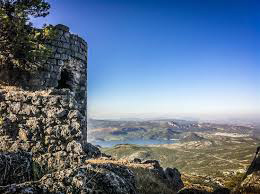
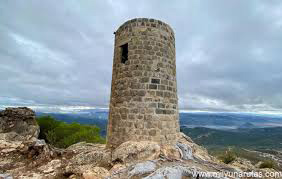
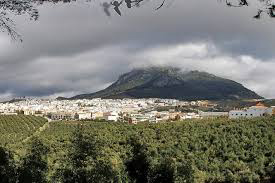
Municipality located in the southeast of the province, in the Sierras Subbéticas, included in the Natural Park of the Sierra Subbética, which presents a relief of strong limestone elevations and valleys populated with holm oaks, gall oaks and white poplars on the banks of the watercourses. The main agricultural activity is the cultivation of olive groves. In its municipal area is part of the Iznájar reservoir, which contributes to the landscape an element of great scenic interest.
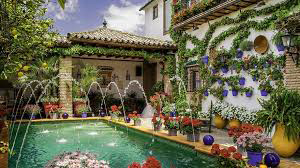
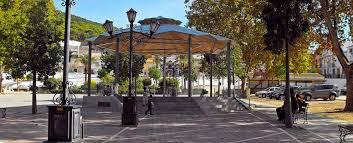
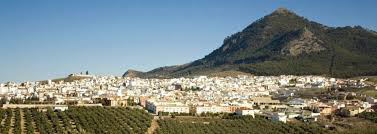
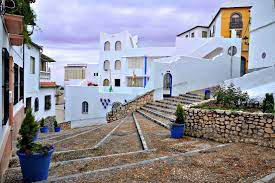
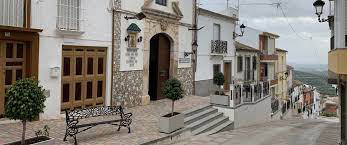
The village extends at the foot of the Sierra de Rute, formed by sloping streets, white houses and clean, offering a very attractive and integrated into the environment. It is also known for the production of liquors and spirits.
History
Its origin is probably Arab. Of the antiquity of the place speak their tombstones and Roman tombs found in the village, although from prehistoric times there are documented two sites: La Cueva Negra and El Camorro.
It is under Muslim rule until 1240 when it is conquered by Ferdinand III, again lost to be reconquered by Alfonso XI who populated it with Christians. Around 1315, during the civil wars of Castile, the town was left unguarded and was attacked by Ozmir, who conquered it and held it until 1341.
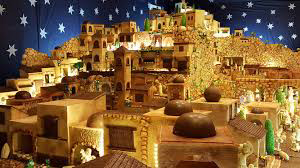
The Sugar Museum At Christmas time and in Rute, an artisan and confectionery town in the Subbética region, the Sugar Museum of La Flor de Rute has become an indispensable visit.
Founded more than three decades ago, it presents more than thirty pieces of sugar including reproductions of Andalusian monuments or the Basilica of St. Peter.
Museums of the anisette brandy of Rute and Spain expose the true history of the most important drink in the world with thousands of pieces and brands.
Rute Ham Museum: an excellent exhibition of the history of traditional ham production with tools and artistic mosaics.
The Distillery Museum of Anis Machaquito offers guided tours to the oldest active distillery in Spain, with immersive industrial tourism experiences.